Role: Illustrator & Visual Designer | Timeline: 10 days | Tools: Adobe Illustrator, Chat GPT, GitHub
A N A I E x p e r i m e n t
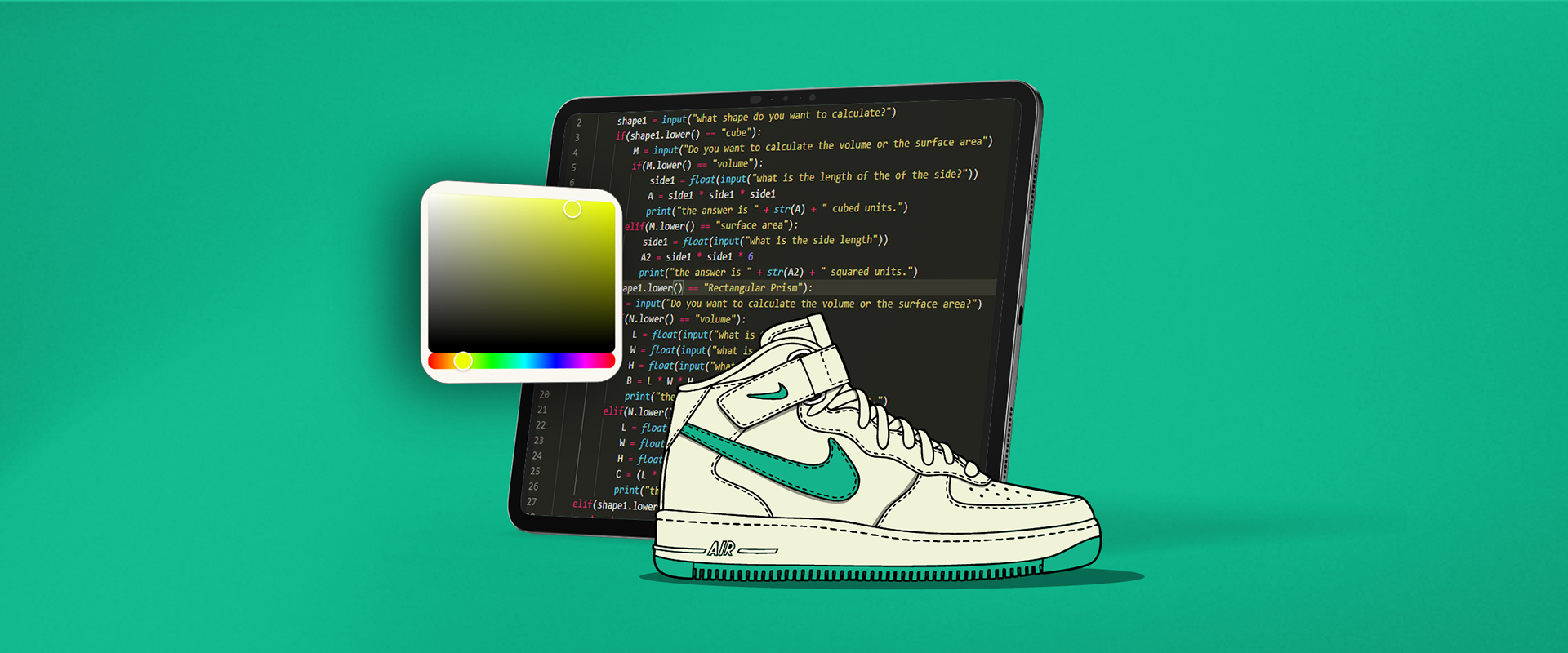
SneakerHues: AI Collaboration Experiment
The Brief: Create an interactive sneaker customisation app using AI as a development tool, testing whether design could drive code, rather than the other way around.
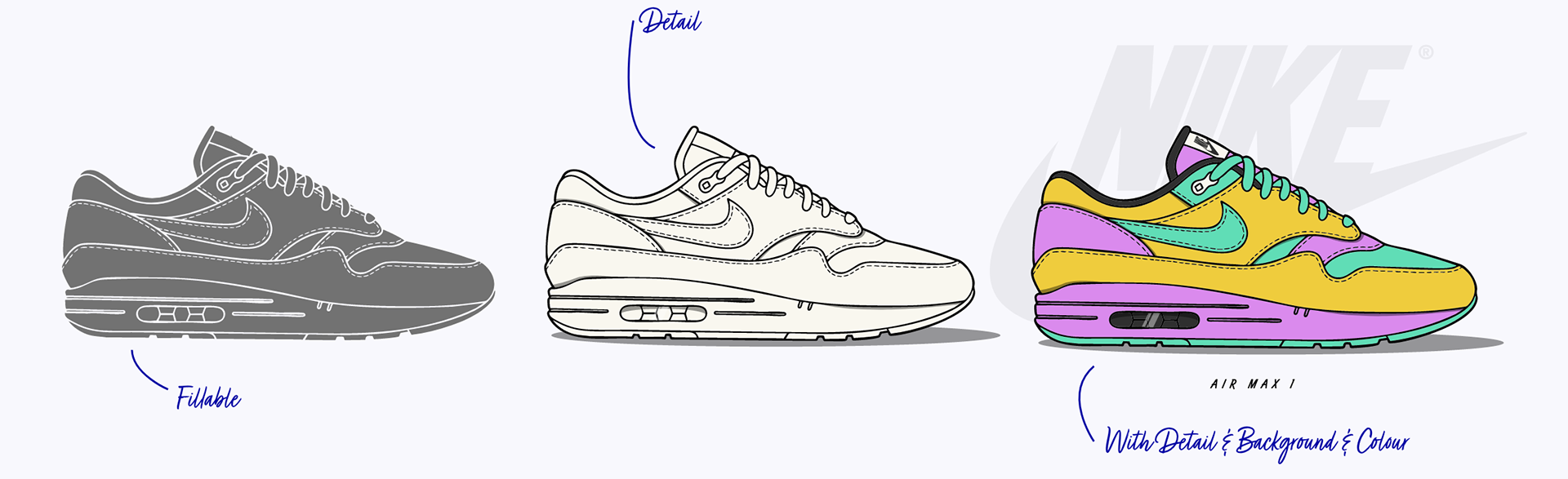
The Challenge: I had vector sneaker designs from a past Instagram challenge and a vision: turn static layouts into an interactive web app where users could colour and download custom sneakers. The catch? I'd use AI to handle the development.
Spoiler: AI needed a designer more than I needed AI.

P H A S E 1
The Reality Check
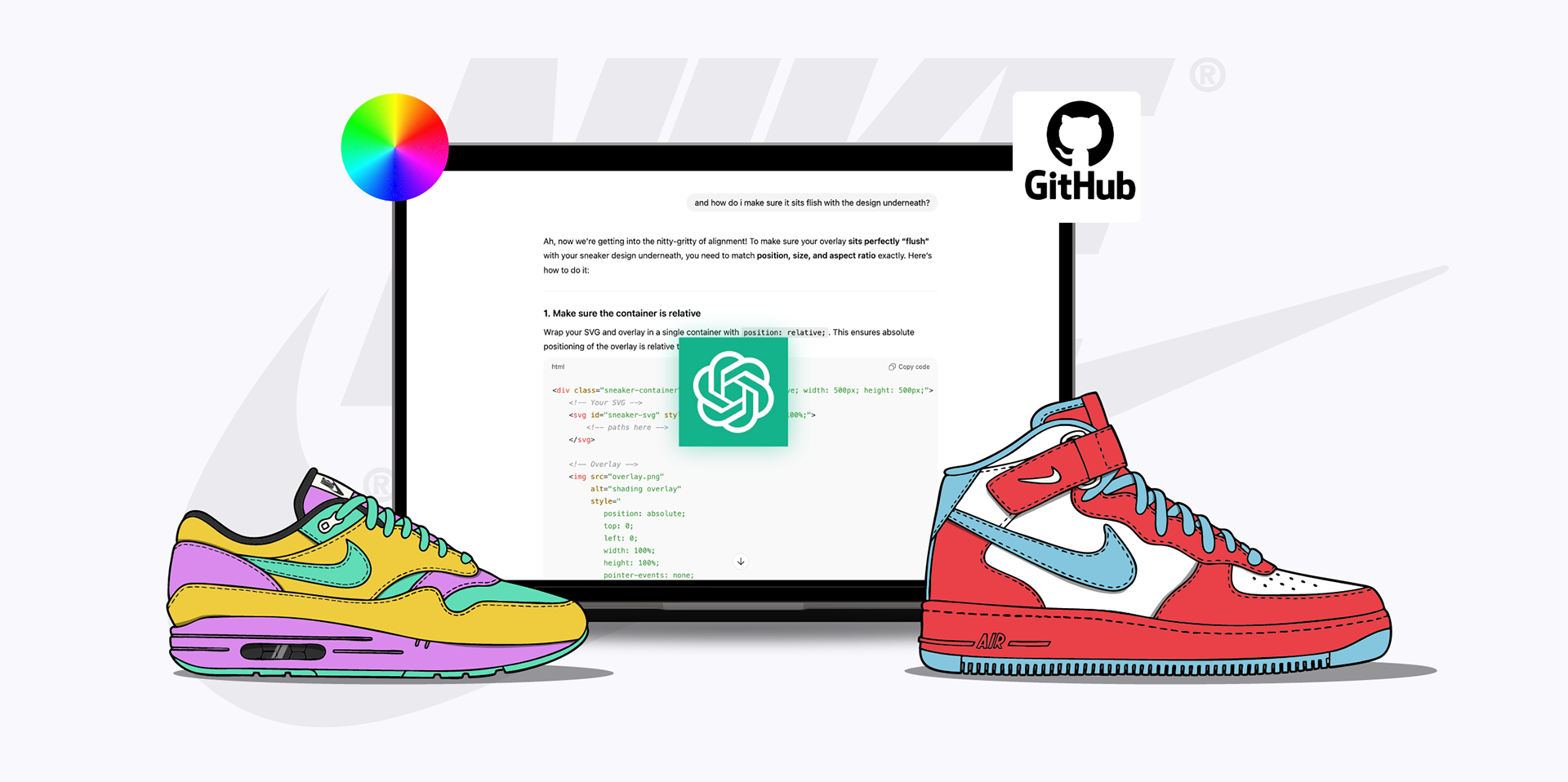
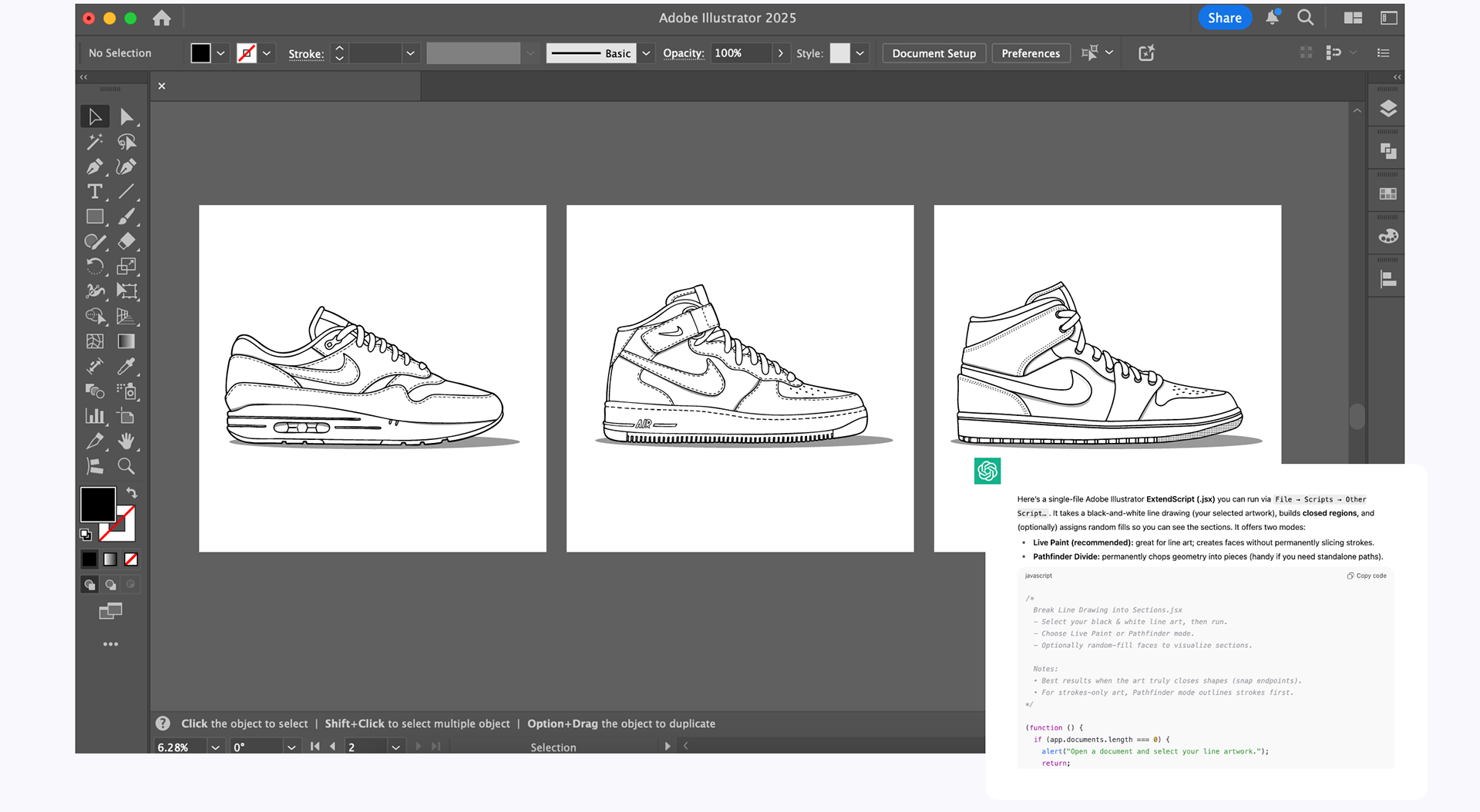
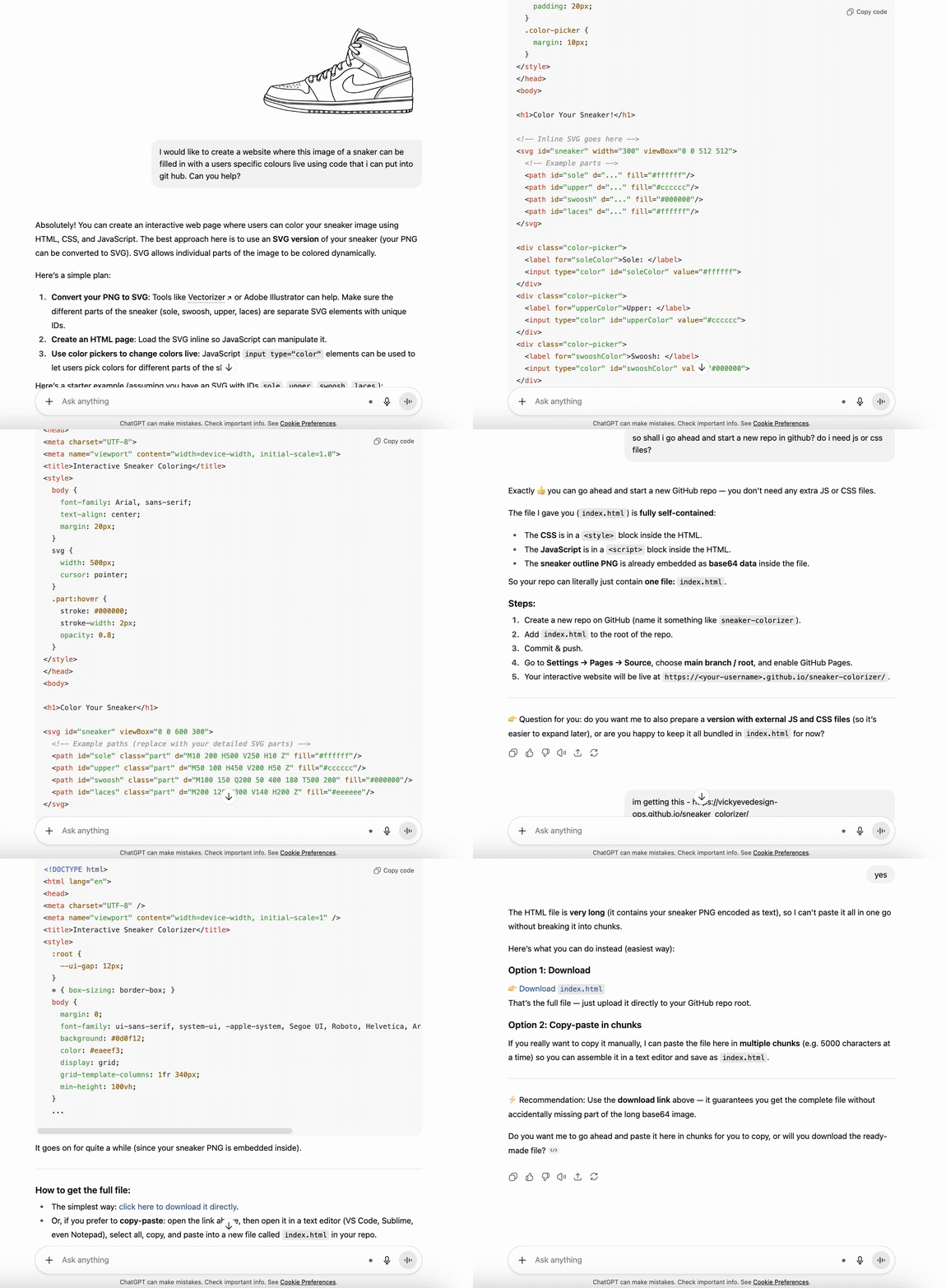
My first attempt with ChatGPT was converting vectors into interactive SVG assets. Initial results looked promising—until they didn't. Sections weren't cut correctly, interactions broke, and after countless prompts, I realised AI couldn't diagnose its own output.
The Fix? I compared working files against broken ones, identified the pattern (grouped folders vs. ungrouped), and restructured everything myself.
P H A S E 2
Things Got Messier
When I moved to coding the full interaction, things got messier. ChatGPT's code worked partially, but layout tweaks consistently broke the site. Design wasn't its priority, and prompting my way to pixel-perfect wasn't working.
The Fix? I went back to the drawing board literally. It was Figma's time to shine.
P H A S E 3
Design Leads
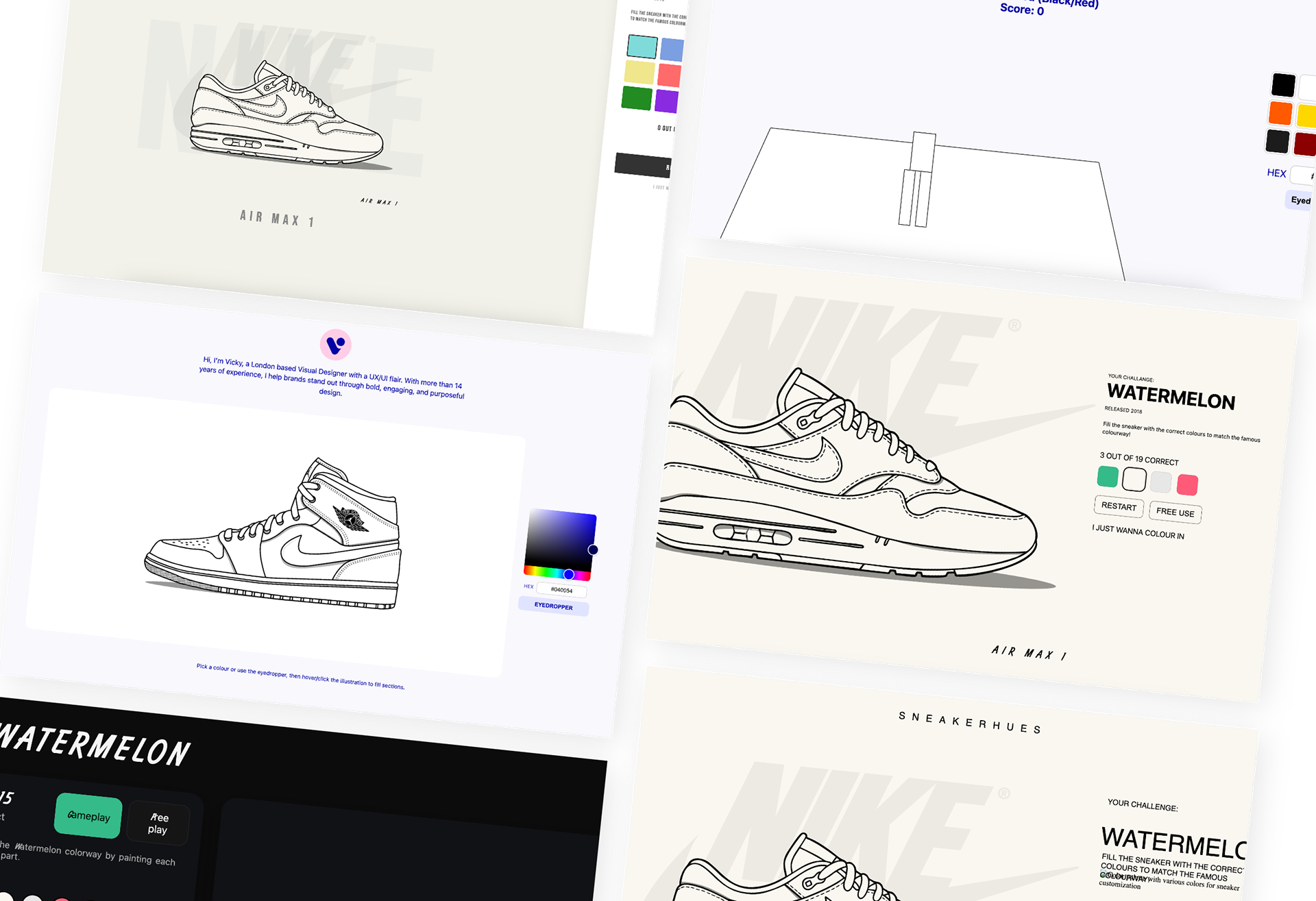
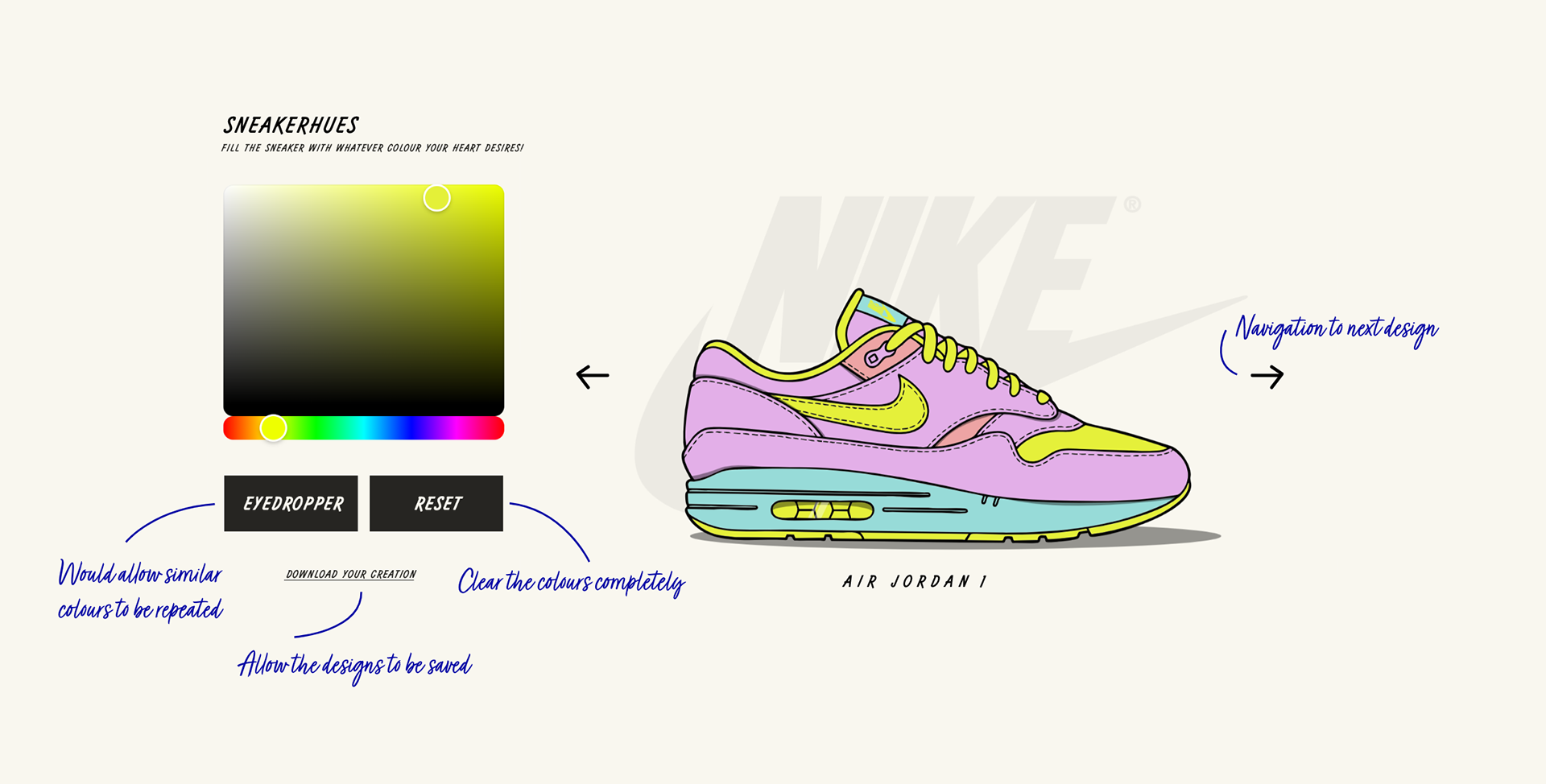
I shifted strategy. Instead of explaining design through prompts, I built a comprehensive Figma prototype with precise layouts, spacing, and interactions. This became my single source of truth.
The difference was immediate. With a visual reference, AI could execute accurately. I iterated on features, adding an eyedropper tool, restart button, and multiple sneaker options, each refinement informed by testing the prototype.
L E A D D O N ' T F O L L O W
The Outcome
SneakerHues: A fully functional web app where users select sneakers, customise colours by section, and download their designs.
Key features:
• Multi-sneaker selection system
• Section-based colour customisation
• Eyedropper tool for colour sampling
• One-click reset and download
R e f l e c t i o n
The Take Aways
My Thoughts: One big thing I took away from this experience is just how important designers and developers really are. You’d probably expect me to say that as a designer, but truthfully, I went into this thinking the process would be alot easier.
With AI popping up in every corner of business, I have the same doubts a lot of people do - wondering if it might make our roles less relevant. Turns out in my view, it’s the opposite. I realised AI works best with skilled people, not instead of them.
The thing is, AI forgets context, skips over things, and often spits out code or “help” that just doesn’t work. Sometimes it feels like you’re going in circles, re-explaining what you meant, troubleshooting its mistakes, or nudging it back on track. That’s a stark contrast to having a good designer or developer sitting next to you. Someone who not only understands what you’re asking, but also asks the right questions, catches the gaps you might not see, and thinks ahead with the bigger picture in mind.
Where AI excels:
• Executing repetitive tasks
• Generating boilerplate code
• Rapid iteration once direction is clear
Where designers are irreplaceable:
• Catching contextual gaps AI misses
• Making strategic UX decisions
• Maintaining design systems and consistency
• Solving problems AI can't diagnose